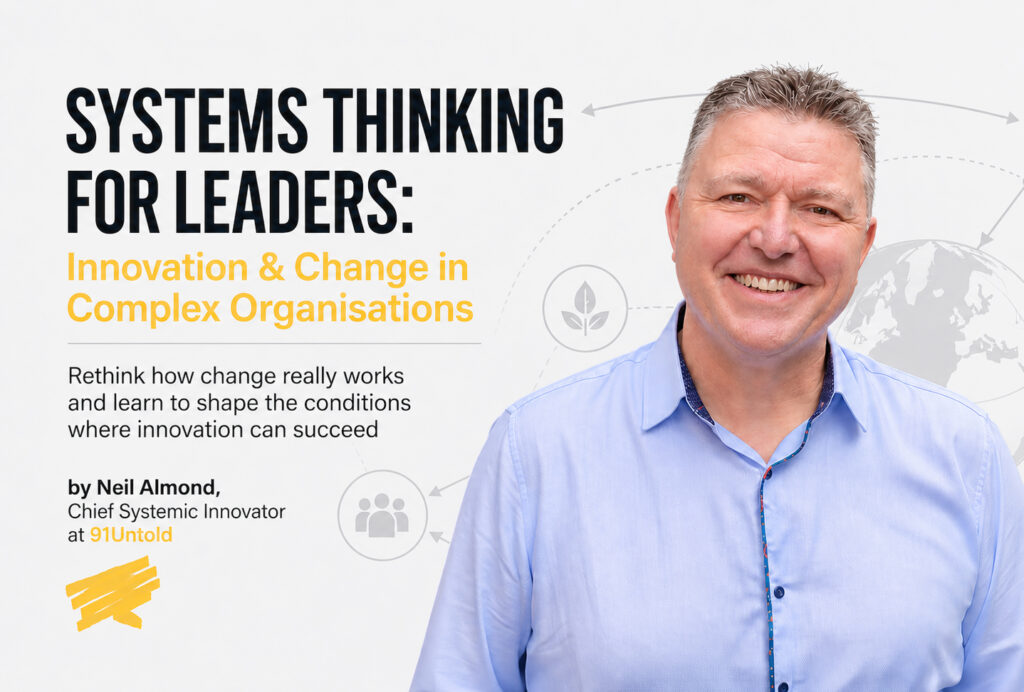
Diploma
Of Systemic
Facilitation
Most facilitation training breaks the moment the room gets complex.
The shift from holding the answer to holding the room, the deep structure work most facilitation training never touches.
You know the room.
Smart, experienced people, each one certain they’re right, each one digging in a little harder with every round. Maybe you’re the one trying to hold that room together. Maybe you’re one of the experts inside it, the moment you suddenly catch yourself mid-argument and realise something different is needed here, not another reason why someone is right.
Either way, the trap is the same. Big expertise comes with big egos attached, and the instinct under pressure is always to push the point harder, not to suspend it. The real skill isn’t winning the argument or losing it gracefully. It’s getting a room full of certainty to hold its own knowing lightly enough, just for a moment, to actually explore the territory with curiosity instead of defending a position to the death.
There’s a shift underneath that moment, and once you see it, you can’t unsee it. You’ve spent your career holding authority over content, the expertise, the answer, the analysis. Facilitation hands you a second authority, over the process, over whether the room is actually thinking together or just taking turns defending positions. You keep the first. You add the second.
Facilitating a straightforward meeting and facilitating a genuinely complex one aren’t the same skill, even though they look identical from outside the room. In a complicated conversation, there’s a right answer somewhere, and your job is to help the group find it together. In a complex one, the room itself is pluralistic. People have genuinely different interests and varying levels of power, and pushing everyone toward a single tidy shared understanding isn’t facilitation. It’s papering over the disagreements that were potentially the most useful information in the room.
This diploma teaches the specific capability complexity demands, requisite variety. Enough range in how you read and respond to a room to meet whatever actually shows up in it, rather than running the same three moves regardless of what’s happening. Sometimes that’s having the courage to name what’s quietly corroding a conversation before it does real damage, the thing everyone’s sensed and nobody’s said yet. Sometimes it’s holding genuine challenge and real safety at the same time, not safety as comfort, but enough that people say the hard thing instead of the safe one.
And underneath all of it sits something most facilitation training never touches. You’ll learn to hold a working map of the system in your head while you’re live in the room; who’s connected to whom, where the real tension sits, which thread leads back to which other thread, without ever stopping the conversation to draw it on a flipchart. That’s the difference between managing what’s said on the surface and working with what’s happening underneath it, holding process, content and direction all at once, rather than choosing between them.
Challenge ideas. Protect people. Hold the direction even when the path isn’t obvious yet.
Who it is for:
Technical experts, senior professionals, design thinkers, innovators, change agents and facilitators who already hold group conversations where the stakes and the egos are real, and want the version of this skill built specifically for genuine complexity, not the generic version most facilitation training teaches.



DATES, LOCATIONS, AND PRICES
Diploma Of Systemic Facilitation
London
12–14 October 2026
£1,450 + VAT
Practitioner Certificate
Diploma Of Systemic Facilitation
London
12–14 October 2026
£1,450 + VAT
Practitioner Certificate
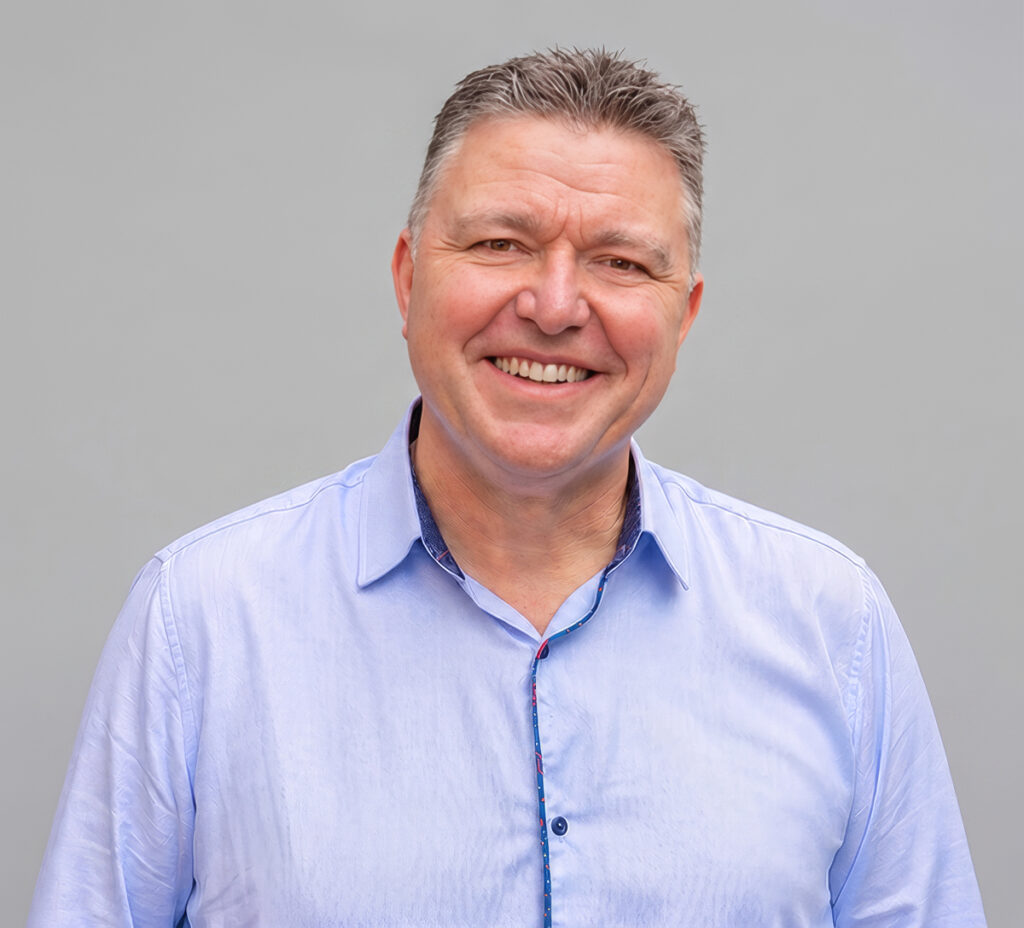
Neil is a mapmaker for complexity, one of the UK’s most experienced NLP Master Trainers, a systems thinking practitioner, and someone who has spent over two decades working directly inside the rooms where organisations actually make their hardest decisions, brought in precisely because an outside eye sees what’s invisible from within.
He has trained over 1,000 facilitators and facilitated change inside 10 and 11 Downing Street.
That combination is exactly why this diploma exists. Most facilitation training was built for a simpler kind of room, and it’s increasingly showing its age against what organisations are actually living through now. This one was built from the ground up for that reality, not the version most training still assumes.

CLIENT TESTIMONIALS

Real people. Real organisations. Real change.
Senior leaders reflecting honestly on what it’s actually like to work with us.


“Bringing Neil into my clients is something I don’t hesitate to do. He will come in and quickly understand the most complex and most critical issues for an organisation and very quickly navigate his way around with diplomacy and humour to help them reach their goals.”
Julia Days
Talent Acquisition Transformation Consultant and Strategy Advisor, RL100 UK 2026

Start here. On us.

Systems Thinking for Leaders:
Innovation & Change.
The clearest introduction we know to why complexity changes everything about how you lead change and innovation. Normally £69.99.
You can unsubscribe at any time. We will never share your details.